
When working correctly, power steering systems often go forgotten about. They intend to blend seamlessly with the steering wheel movements of the driver, assisting either hydraulically or electronically to make steering the vehicle easy and controllable. However, when they begin to act up, power steering systems can produce a host of issues in your vehicle ranging from nagging whining noises and vibrations to complete failure of the components that make steering your vehicle so easy.
In this article, we’ll cover four of the most common signs of failure or wear in power steering systems, both electronic and hydraulic.
Electronic vs. Hydraulic Power Steering
Before we can jump into the problems that affect power steering, it’s important to understand the difference between electronic and hydraulic power steering and how each can be vulnerable to specific issues.
Most vehicles on the road today use hydraulic power steering systems, as their electronic counterpart is still relatively new to the automotive industry. Hydraulic systems rely on a fluid to transmit the force of steering inputs, as hydraulic fluid cannot be compressed allowing force to be amplified through the use of hydraulic pressure.
Electronic power steering systems, or EPS, instead use an array of sensors and servo motors to both monitor the steering inputs from the driver and amplify those inputs through the motors located on the steering column.
EPS brings with it a lot of improvements over traditional hydraulic systems, such as their lightweight construction, low-space footprint, and the ability to integrate with other computerized assistance systems like electronic stability control or active cruise control. Electronic systems are also considered to be more reliable in general, as hydraulic systems tend to be much more complicated and rely on more moving parts.
Most modern vehicles have moved to EPS-style systems, and we can expect that trend to increase over the coming years.
As you can imagine, these dramatically different methods of assisting steering are bound to have issues specific to their mechanical and electronic natures.
Hydraulic Power Steering
Hydraulic power steering relies on a variety of complex moving parts to assist your vehicle’s steering, and failure of even just a single component may prevent your power steering system from providing assistance at all.
Power Steering Pump
As the heart of your hydraulic steering system, you can imagine that issues with the power steering pump can cause significant issues in the system. Responsible for continually moving hydraulic fluid from the steering rack as needed, the pump will experience gradual wear from regular use and old age. Pumps can also fail due to factors such as weather exposure, old/insufficient fluid, or the failure of an internal component.
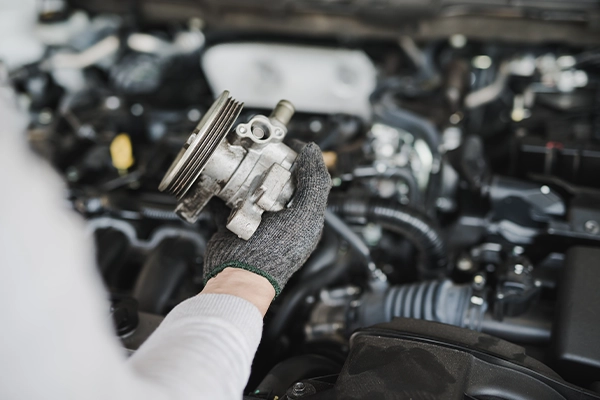
Symptoms of a failing power steering pump include a whining or whirring noise while turning, difficulty turning the wheel, or unusual sensations from the vehicle.
Fluid Leakage
As we discussed above, hydraulic power steering systems use incompressible fluid to transmit force. When this fluid is able to exit the system due to a leak, there may be an inadequate amount to keep the hydraulics working and can leave your power steering pump struggling to keep up. If you notice a red fluid under your vehicle when parked, you could be looking at power steering fluid, and should have your vehicle inspected by a trusted professional as soon as possible to avoid further damage.
Oftentimes, this will lead to a similar whining noise as a failing pump as the lack of fluid causes the pump to work harder, or eventually fail completely.
Electric Power Steering
Electric power steering systems ditch the traditional hydraulic fluid for a drive-by-wire approach, instead relaying the movements of your steering wheel to an electric motor that controls the rotation of the steering rack.
Wiring Issues
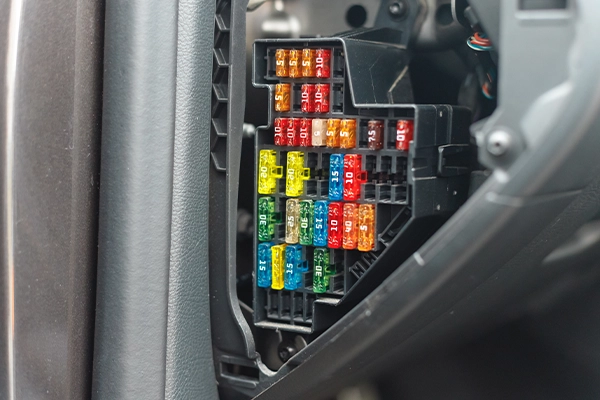
As an electrical system, it’s no secret that corroded or damaged wiring is a potential failure point. Whether it be due to corrosion of the wires or external damage, any shorted fuses or frayed wires can disrupt the operation of the entire power steering system.
Faulty Sensors
The sensors in an EPS system are what the motor relies on to control the rotation of the steering rack, meaning that even a single faulty sensor can lead to a host of issues when attempting to steer your vehicle.
This issue may present itself as jerky steering movements, a clicking noise when turning, and a stiff steering feel. Oftentimes, a failed sensor will be accompanied by a steering-system warning light on the dashboard.
Power Steering System Services in Portland, OR
No matter if your vehicle uses a hydraulic or electric power steering system, the experienced team at Stellar Auto Repair in Portland have the training and equipment to provide you with the utmost quality of power steering system maintenance and repair.
Don’t let steering issues linger and potentially lead to dangerous circumstances and further damage, give us a call or schedule online to secure your appointment with the Portland area’s premier power steering maintenance facility!
